Recognize the Signs of Depression and Take Steps to Feel Better
Aug 14, 2026

Depression may not look the same for everybody. But there are some common signs that may point to feelings of depression when they happen often for weeks or months.
- Feeling sad, anxious or "empty"
- Losing interest in your favorite activities
- Overeating or not wanting to eat at all
- Having difficulty sleeping or sleeping too much
- Feeling very tired
- Having aches, pains, headaches, cramps or digestive problems that don’t get better with treatment
- Having thoughts of death or suicide
If these describe you, schedule a visit with your doctor right away to talk about how you’re feeling. Or call one of the following:
To find local resources – 211
Suicide and Crisis Lifeline – 988 (call or text)

Big life changes or certain times of year can be stressful. Focusing on your emotional well-being during these times is especially important.
Be around people you love or see them virtually. Spending time with family and friends—or even new acquaintances—may help improve your mood.
Stay active. Exercising reduces stress, anxiety and feelings of depression. Find a physical activity you enjoy and make it part of your regular routine.
Eat for a better mood. Diet impacts how we feel physically, mentally and emotionally. Eat foods that help support a happy body and mind—like fresh produce, whole grains and lean proteins.
Meditate. It may help manage stress and improve mental clarity.
Find a furry friend. Studies show that being around animals can help lift mood. Consider adopting or fostering a pet or volunteering at a local animal shelter.
Talk to a therapist. People often think of therapy as a way to fix something broken. The truth is, seeing a therapist can be a way to proactively manage stress and be on top of your mental well-being. Choosing a provider who specializes in mental health and depression and that you’re comfortable with can make all the difference toward helping you feel better
Working though topics that affect your emotional well-being may take some time. Ask your therapist questions that help shape a care plan that’s comfortable for you. Stay on track with follow-up visits, and stick to prescribed medication regimens.
WELLNESS EVENTS
Click below for monthly wellness event schedule
RECENT POSTS






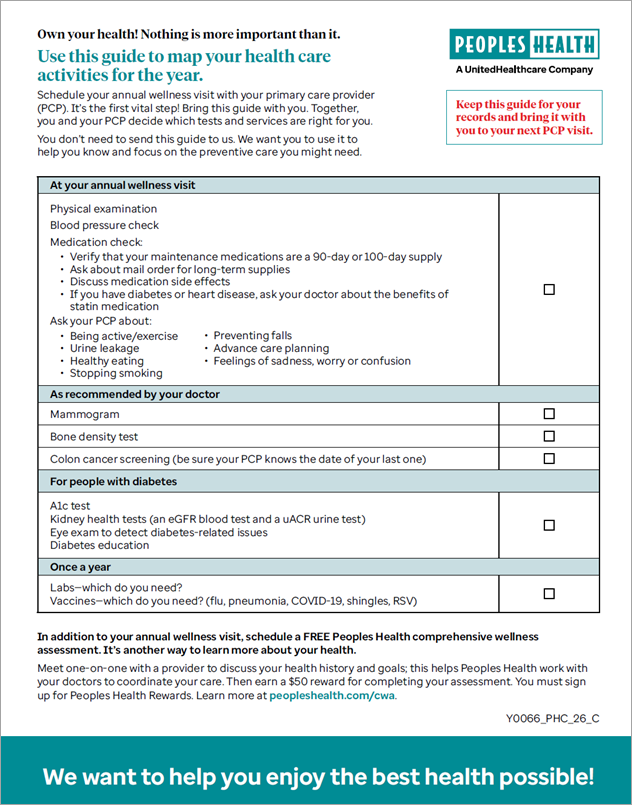
PREVENTIVE CARE CHECKLIST
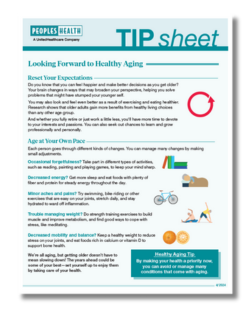
GUIDE TO HEALTHY AGING