Take Care of Your Mental Well-Being
March 26, 2026
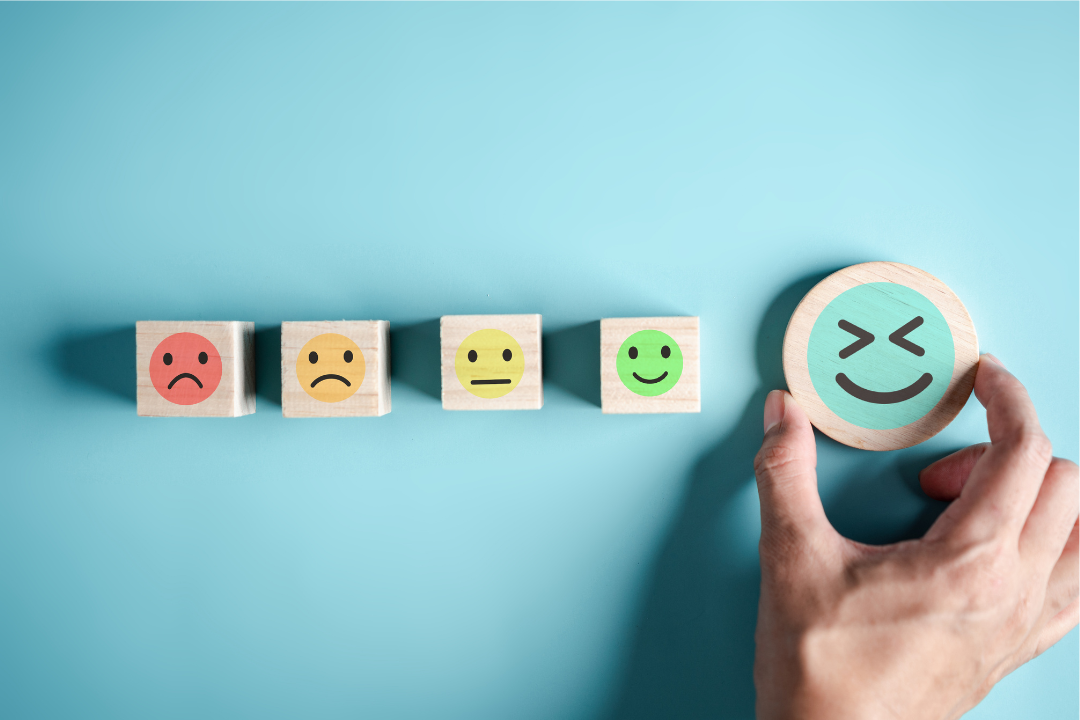
Life changes, like retirement, health issues and living alone, can affect how we feel emotionally. It helps to know what harms mental health—and where to find support when you need it.
Common Conditions
Depression is more than feeling “blue” or grieving after a loss. It’s a medical condition that affects mood, energy and interest in daily life. Symptoms include:
- Decreased energy
- Difficulty sleeping or concentrating
- Eating more or less than usual
- Feelings of hopelessness or worthlessness
- Ignoring responsibilities
- Increased substance use
- Irritability
- Loss of interest in hobbies
- Persistent feeling of “emptiness”
- Thoughts of death or suicide
- Unintended weight gain or loss
Anxiety and depression often occur together. Untreated anxiety can affect your thinking and brain health and lead to a lower quality of life. It may also cause both physical and mental concerns.
Physical symptoms may include:
- Difficulty sleeping
- Dry mouth
- Irregular heartbeat
- Nausea
- Numbness or tingling in hands or feet
- Shortness of breath
- Tight muscles
Emotional symptoms may include:
- Difficulty concentrating
- Fear or dread
- Irritability
- Obsessive thoughts
- Panic

What might affect mental health?
Loss of a loved one
Moving away from family
Chronic pain
Mobility issues
Hearing or vision loss
Being less active
Loss of social connections
Some people might turn to alcohol or drug use to cope with big life changes. But as we age, our bodies process these substances differently, and the effects might be stronger and more harmful. Substance use disorder is a diagnosable condition.
Symptoms include:
- Loss of control over use
- Significant impairment
- Relationship problems
- Risky behavior
- Higher tolerance for or greater need of the substance
How to Get Help – 3 Steps
- Talk to a mental health professional A licensed counselor, psychologist or psychiatrist can help you manage stress, anxiety and depression.
- Review medications with your provider
Your provider may recommend medication to manage mental health conditions. Often, combining medication with therapy is most effective. Also talk to your provider about any concerns with alcohol or medication use. - Address hearing and vision loss
Hearing and vision problems can lead to isolation and anxiety. Getting the right support—like hearing aids or vision care—can improve your physical and emotional health.
Who to talk to?
If you’re not sure, start with your primary care provider for guidance on next steps.

Emergency Hotlines for 24/7 Support
Suicide and Crisis Lifeline – Call or text 988 for free, confidential support
Substance Use Helpline – Call 1-855-780-5955 (TTY 711) for support with alcohol or drug concerns
National Domestic Violence Hotline – Call 1-800-799-SAFE (7233) or text “START” to 88788 for confidential help
Emergency Services – Call 911 for immediate medical, fire or safety emergencies
Healthy Habits
Building healthy habits is the best investment in your long-term well-being. Consider these:
Get Quality Sleep
More than rest, sleep is essential for healing your body and clearing your mind. Aim for 7 to 9 hours of uninterrupted sleep each night. Create a calming bedtime routine: limit screen time before bed and keep your sleep environment cool and dark. Poor sleep leads to fatigue, weakened immunity and even chronic health issues, so make sleep a priority.
Protect Your Vision
Vision changes may happen gradually, so schedule regular eye exams, even if you don’t wear glasses. Eye health is linked to overall health; conditions like diabetes and high blood pressure can affect eyesight. Protect your eyes by wearing sunglasses outdoors, reducing screen glare and taking breaks during long periods of computer use.
Stay on Top of Lab Tests
Regular lab tests help monitor blood sugar, kidney function, cholesterol and other vital markers. These tests can detect problems before symptoms appear. Talk with your doctor about which tests you need based on your age, family history, health factors and lifestyle.
WELLNESS EVENTS
Click below for monthly wellness event schedule
RECENT POSTS


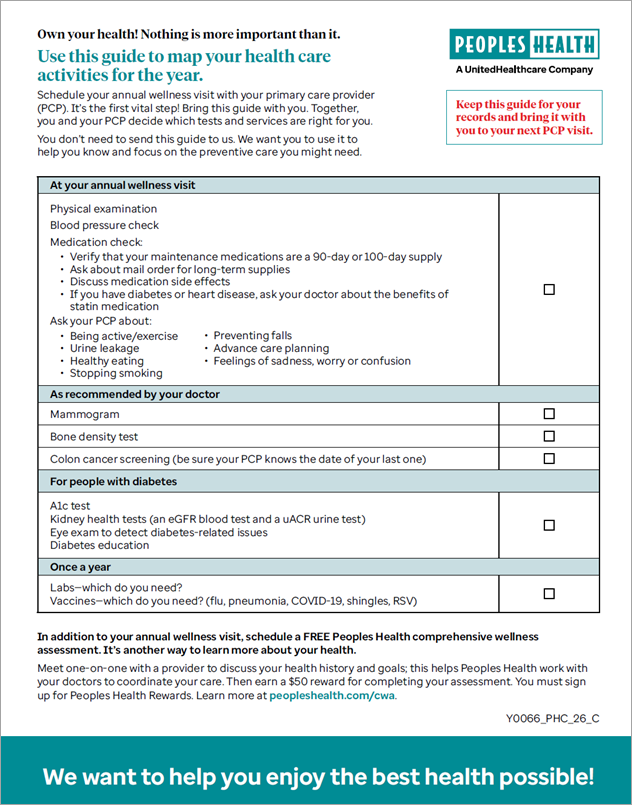
PREVENTIVE CARE CHECKLIST
GUIDE TO HEALTHY AGING