Managing Chronic Pain: A Daily Challenge
May 6, 2026
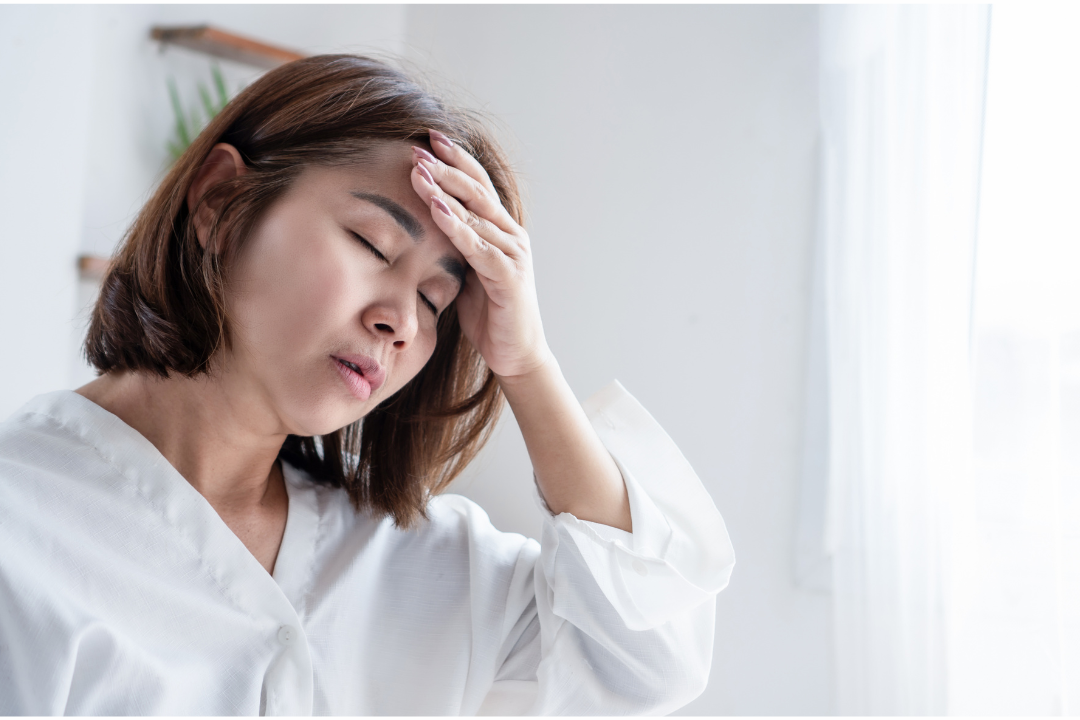
Chronic pain can cause people to feel isolated, and it affects millions in the U.S., according to the Centers for Disease Control and Prevention.
This type of pain is defined as lasting longer than three months, and in some cases it lasts for years. While mild aches and stiffness are common as the body changes over time, chronic pain is not a normal sign of aging.
Chronic pain might happen because of a medical condition, like cancer, or a past injury, and sometimes it remains even after you’ve recovered. It can affect you emotionally, as well as physically, and get in the way of daily routines or even lead to depression and anxiety.
What to do if this is you?
Talk with your doctor about the treatments available to manage your pain. These might include prescription medications and holistic or non-drug therapies. Some prescription medications to treat pain are very strong and should be used properly and with caution. Be sure to talk with your doctor regularly about all the medications you’re taking, including for pain, depression or other conditions, to make sure they don’t negatively interact. Always bring up any medication side effects.
Some strategies that may help
- Get mental health support. If you think you might have depression or anxiety, talk with your doctor. Treatment options may include medication and talk therapy.
- Try relaxation techniques, including meditation, mindfulness and progressive muscle relaxation.
- Mindfulness is paying close attention to the things you do as you do them, such as eating.This might help change habitual patterns of thinking, feeling and acting.
- Progressive muscle relaxation is when you concentrate on slowly tensing and relaxing eachmuscle group. It makes you focus on the physical sensation.
- Do physical activity. Staying active when you’re in pain can be a challenge, but regular exercisemay lessen chronic pain symptoms, including stiffness and inflammation. Exercise can alsoimprove strength, range of motion and balance. Low-impact options include aquatic exercise,tai chi, qigong, yoga and Pilates.
Source: uhc.com/news-articles/healthy-living/chronic-pain-management-and-tips
WELLNESS EVENTS
Click below for monthly wellness event schedule
RECENT POSTS



PREVENTIVE CARE CHECKLIST
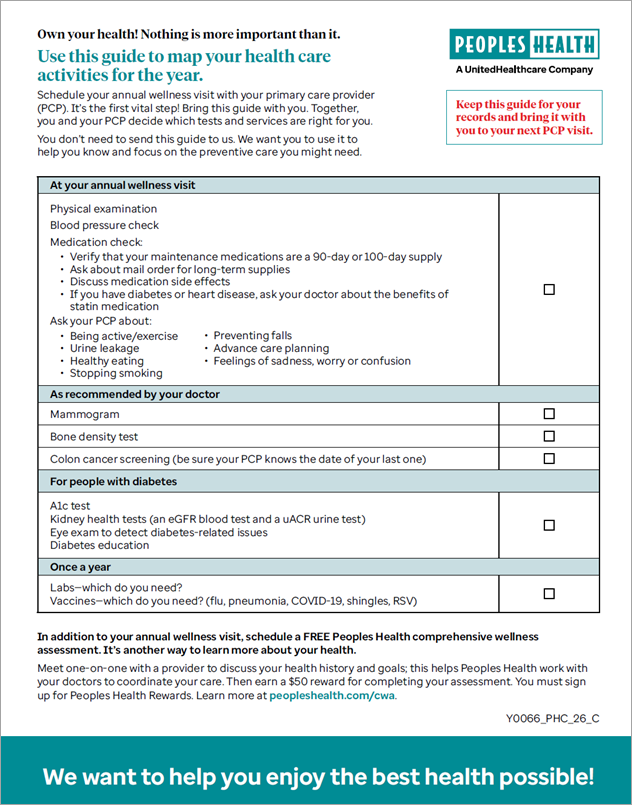
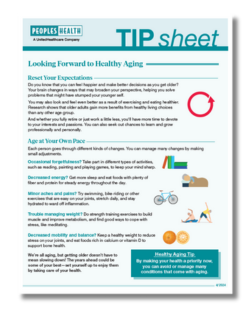
GUIDE TO HEALTHY AGING